

12th Mar, 2025
7 Terrifying Facts About the Plague in Edinburgh
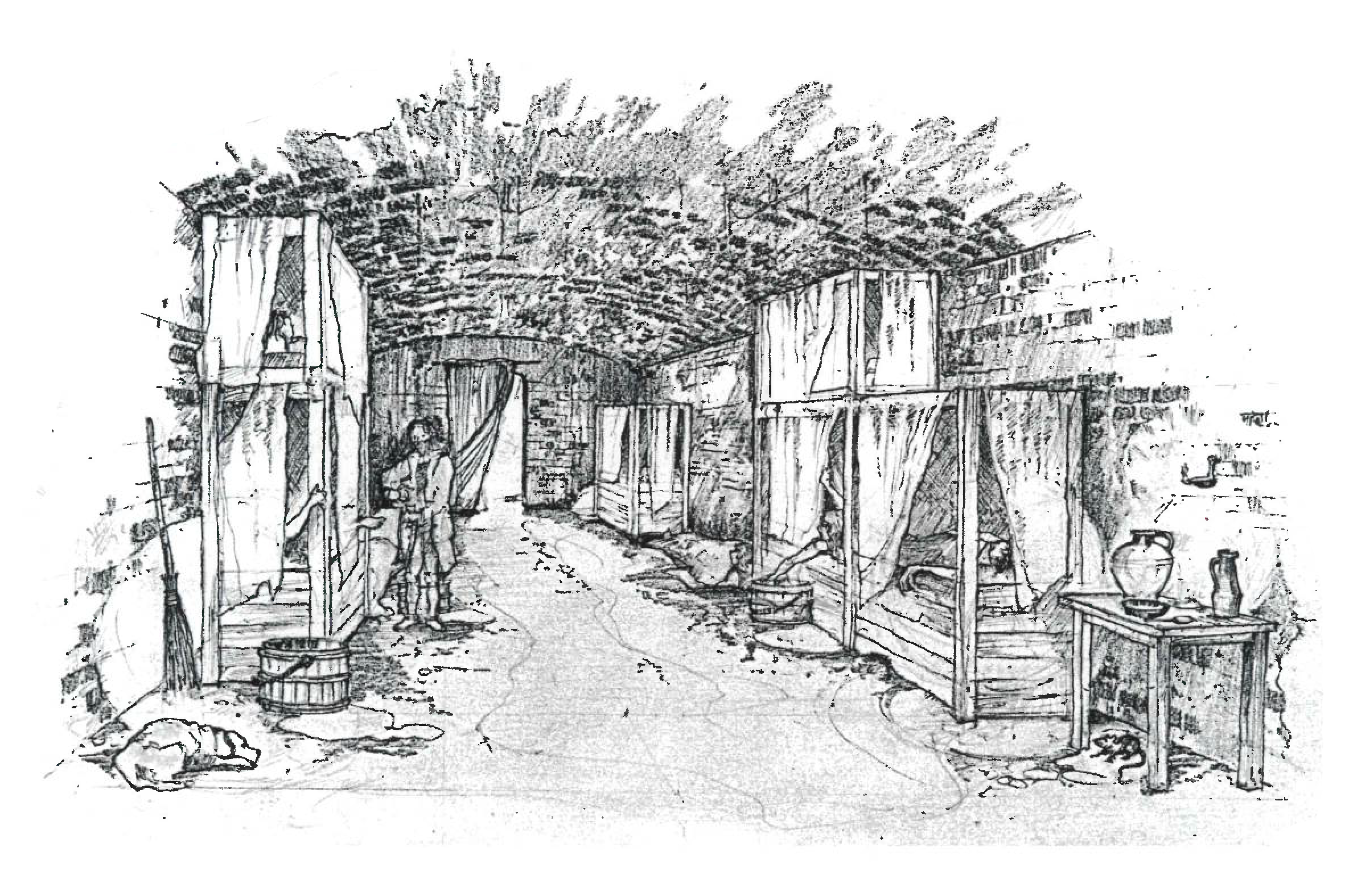
The Plague. The Black Death. The Foul Pestilence. Whatever name you use, it remains one of the deadliest diseases in history. In the 17th century, Edinburgh was devastated by its 11th recorded outbreak, leaving thousands dead in just two years. The city’s attempts to control the disease ranged from plague doctors in beaked masks to gruesome medical treatments and even mass executions.
This April, The Real Mary King’s Close is launching “Contagion & Carnage: The Plague Tour,” a brand-new experience dedicated to uncovering the brutal reality of Edinburgh’s darkest days. Running every Friday and Saturday throughout April 2025, this limited-time tour is not for the faint of heart.
If you’re intrigued by the horrors of the past, book your spot now—if you dare.
1. The plague hit Edinburgh 11 times before the 1645 outbreak
Edinburgh had been struck by at least ten previous outbreaks before 1645, yet the city was still dangerously unprepared when the disease returned with a vengeance. The first recorded outbreak in Scotland occurred in 1350, following the arrival of the Black Death in Europe. By the 17th century, it was clear that the plague was not a one-time disaster, but a recurring nightmare.
2. Edinburgh’s first plague doctor was paid a fortune—but died within months
Dr. John Paulitious was appointed as Edinburgh’s official plague doctor on December 23, 1644, for 40 Scots per month. As the outbreak worsened, the city council doubled his salary in a desperate attempt to keep him at work. By April 1645, they had raised it to 100 Scots—a sum fit for a king. But even that wasn’t enough to save him. He died of the plague later that same month.
3. His successor, Dr. George Rae, survived thanks to an early hazmat suit
In the summer of 1645, Dr. George Rae took over as plague doctor. Unlike Paulitious, he survived the outbreak—thanks to his now-infamous leather plague suit. Designed by French physician Charles de L’Orme in 1619, the outfit featured a tight-sealed leather coat, gloves, and a beaked mask filled with herbs and spices. Though its creators believed it protected against “evil miasmas,” the thick leather unknowingly blocked flea bites, making it accidentally effective.
4. The plague spread because of Edinburgh’s horrific living conditions
In the 17th century, Edinburgh was a cramped, filthy, and disease-ridden city. Many families lived in Laigh Houses, where up to 14 people shared a single room with no proper toilet, no ventilation, and no running water. Waste was dumped into the streets, where it flowed down into the Nor Loch, a giant open sewer. The city’s poor hygiene made it the perfect breeding ground for disease.
5. White flags marked plague houses—and no one could leave
When a household was infected, a white flag was hung from the window, warning others to stay away. Residents were forbidden to leave, trapping both the healthy and sick together. This desperate attempt to contain the plague often led to entire families perishing inside their own homes.
6. The plague cleaners, or foul clengers, had the worst job in the city
A team of “foul clengers” was assigned to remove the dead, disinfect homes, and burn contaminated possessions. Their job was essential but also deadly. Most had no real protection, and as the outbreak worsened, their numbers dwindled to just six for the entire city.
7. Plague victims were buried in mass graves
The sheer number of deaths meant Edinburgh quickly ran out of burial space. To cope, the city dug plague pits, where hundreds of bodies were piled together. Notable plague burial sites included Greyfriars Kirkyard, The Boroughloch near today’s Meadows, and Leith Links, where many plague victims were buried.
The plague left a lasting mark on Edinburgh’s history, and if you want to experience it for yourself, our brand-new tour, “Contagion & Carnage: The Plague Tour,” launches in April 2025!
Running every Friday and Saturday, this limited-time experience takes you deep into the horrifying true stories of the plague years.
Book now—if you dare.



Continuum Attractions is committed to achieving the highest standards of Health & Safety to all its visitors and employees. We are proud of the processes, systems and procedures we have in place across our business. Health & Safety is much a part of our company culture as our dedication to delivering unique experiences in memorable locations.